
5 Common Eye Problems in Kids: Signs Every Parent Should Know
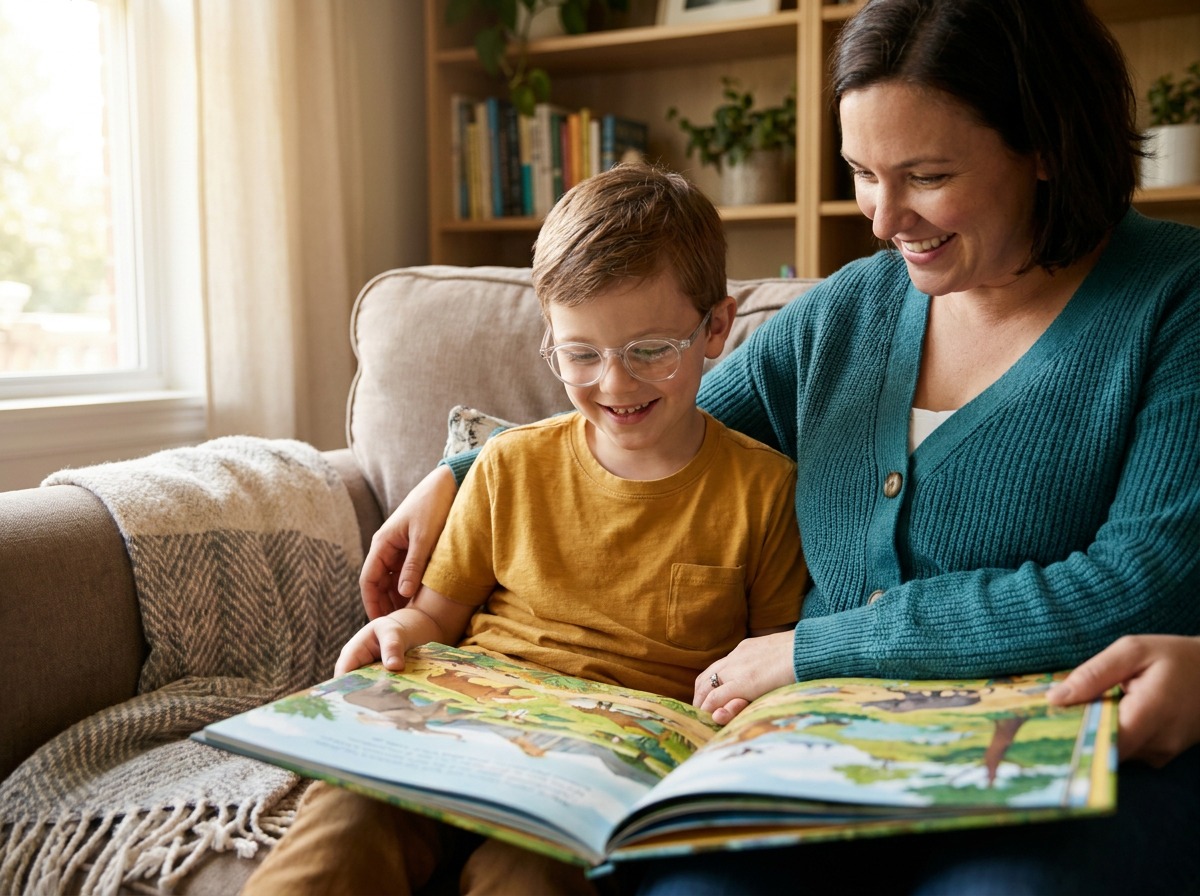
Children don't always realize when their vision is off. Instead, you might notice your child squinting to see the board at school, rubbing their eyes, or complaining about headaches.
Knowing the signs of common childhood eye problems can help you recognize when it's time for an eye exam. Here are five conditions parents should watch for and how an eye doctor can help.
Common Vision Problems That Can Affect Your Child's Eyesight
Vision problems can affect how children read, learn, and participate in everyday activities. Three common conditions are myopia, hyperopia, and astigmatism. These are refractive errors that occur when light doesn't focus properly inside the eye.
1. Myopia (Nearsightedness): Difficulty Seeing Distant Objects
Myopia (my·oh·pee·uh), commonly called nearsightedness, makes distant objects appear blurry while nearby objects remain clear. It often develops during childhood and may progress as your child grows.
You might notice your child squinting to see distant objects, sitting closer to the TV, or struggling to read the board at school. Prescription glasses or contact lenses can correct blurry vision, while certain myopia management treatments may help slow its progression.
2. Hyperopia (Farsightedness): Eye Strain, Headaches, and Reading Difficulties
Hyperopia (high·per·oh·pee·uh), or farsightedness, can make it difficult to focus on nearby objects. Depending on the severity, it may also affect distance vision.
Children with farsightedness may experience headaches, eye strain, or difficulty concentrating while reading. Some children have no noticeable symptoms because their eyes can compensate for the condition.
An eye exam can determine whether your child needs prescription glasses to see more comfortably.
3. Astigmatism: Blurry Vision at Any Distance
Astigmatism (uh·stig·muh·tizm) is a common vision condition that can cause blurry or distorted vision at both near and far distances. It occurs when the cornea, the clear front surface of the eye, or the lens inside the eye has an uneven curvature.
Children with astigmatism may squint, rub their eyes, or complain of headaches and eye fatigue. Prescription glasses can usually correct their vision, while contact lenses may be an option for some children.
Common Causes of Redness, Swelling, and Eye Irritation in Kids
Not every childhood eye problem affects how clearly your child sees. Infections and eyelid conditions can also cause redness, swelling, and discomfort.
4. Conjunctivitis (Pink Eye): Redness, Discharge, and Irritation
Conjunctivitis (con·junk·tuh·vy·tis), commonly called pink eye, occurs when the thin tissue covering the white part of the eye and lining the eyelids becomes inflamed. It can result from a viral or bacterial infection, allergies, or irritation.
Symptoms may include redness, itching, burning, watery eyes, discharge, and crusting around the eyelashes.
Viral and bacterial conjunctivitis can spread easily, but allergic conjunctivitis isn't contagious. Treatment depends on the cause. Viral cases often improve on their own, while some bacterial infections may require antibiotic eye drops.
If your child develops symptoms, contact an eye care professional for guidance. CORVISION OPTOMETRY offers emergency eye care for red eye, so call us if you are not sure what you are looking at. Whether your child needs to stay home from school depends on their symptoms, the cause, and school policies.
5. Chalazion and Styes: Painful or Swollen Eyelid Bumps
A chalazion (kuh·lay·zee·un) and a stye are both eyelid bumps, but they have different causes.
A chalazion forms when an eyelid oil gland becomes blocked. It usually appears as a swollen lump and is often painless, although larger bumps may cause discomfort.
A stye is typically caused by a bacterial infection in an eyelid gland or eyelash follicle. It often appears as a red, tender bump near the eyelid edge.
Applying a clean, warm compress several times a day may help improve either condition. Avoid squeezing or popping the bump, as this can worsen irritation.
If the swelling persists, becomes increasingly painful, or affects your child's vision, have an eye doctor examine it.
Signs Your Child May Need an Eye Exam
Children may not recognize changes in their vision, especially if they've always seen the world a certain way. Regular comprehensive eye exams can help identify problems that aren't immediately obvious.
If your child frequently squints, rubs their eyes, has headaches, or struggles with reading or distance vision, an eye exam can help identify the cause.
Seek prompt medical attention if your child develops significant eye pain, sudden vision changes, severe redness, or unusual sensitivity to light. CORVISION OPTOMETRY also provides emergency eye care for urgent eye concerns. Sudden vision loss or severe eye pain requires immediate medical evaluation.
At CORVISION OPTOMETRY, children's vision is part of a comprehensive eye exam, and our youngest patients start at age five.
Help Keep Your Child's Eyes Healthy with CORVISION OPTOMETRY
Your child's vision plays an important role in learning, playing, and exploring the world around them. Recognizing changes early can help you take the right steps to support their eye health.
If you've noticed any of these symptoms, contact CORVISION OPTOMETRY in Fremont, CA, to arrange an eye exam and discuss your concerns with an eye care professional.
