
Comprehensive Eye Exams
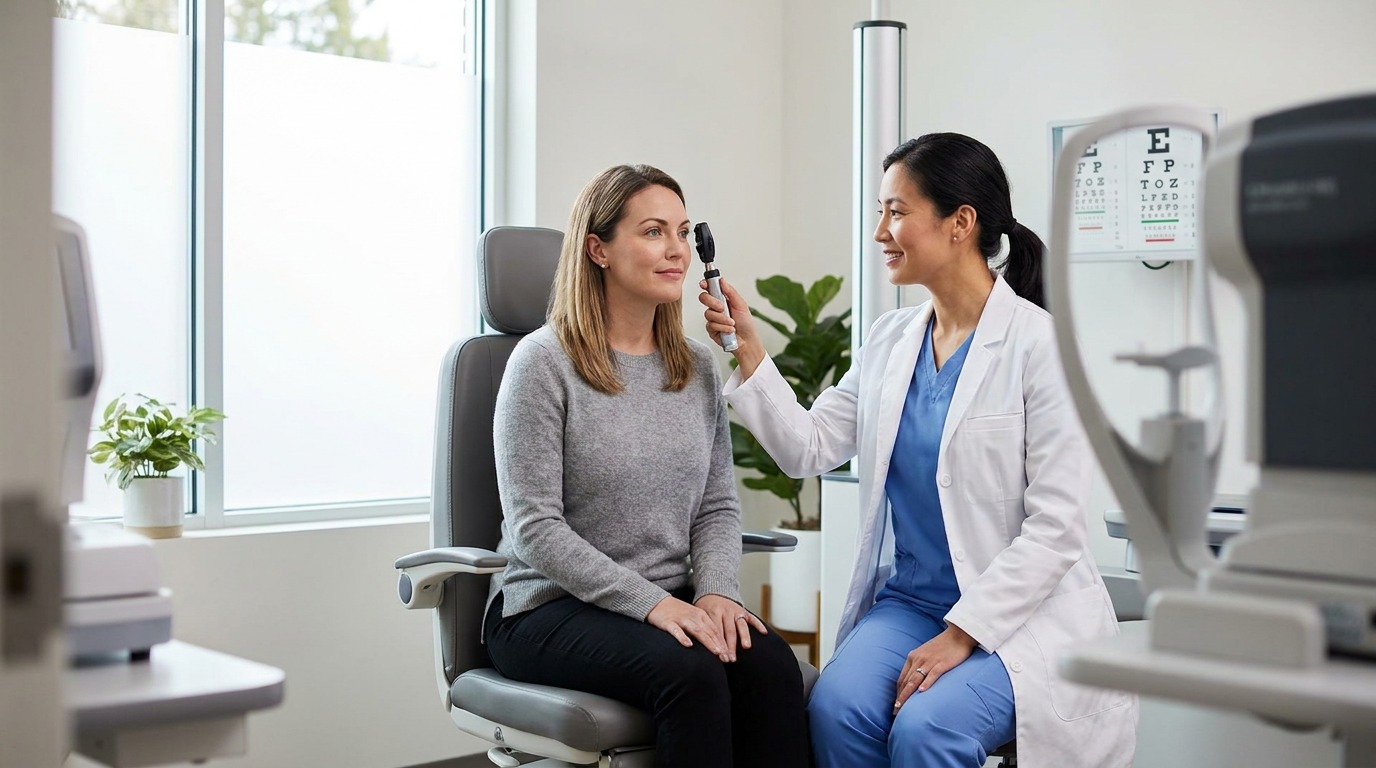
What a Comprehensive Eye Exam Covers
Routine eye exams are important, regardless of your age or physical health. During a complete eye exam, your eye doctor will not only determine your prescription for eyeglasses or contact lenses, but will also check your eyes for common eye diseases, assess how your eyes work together as a team and evaluate your eyes as an indicator of your overall health.
Your exam is also a conversation. Bring your questions about your vision, your screen time, your current glasses or contacts, and how your eyes feel at the end of a long day. Every answer shapes the recommendations you leave with.
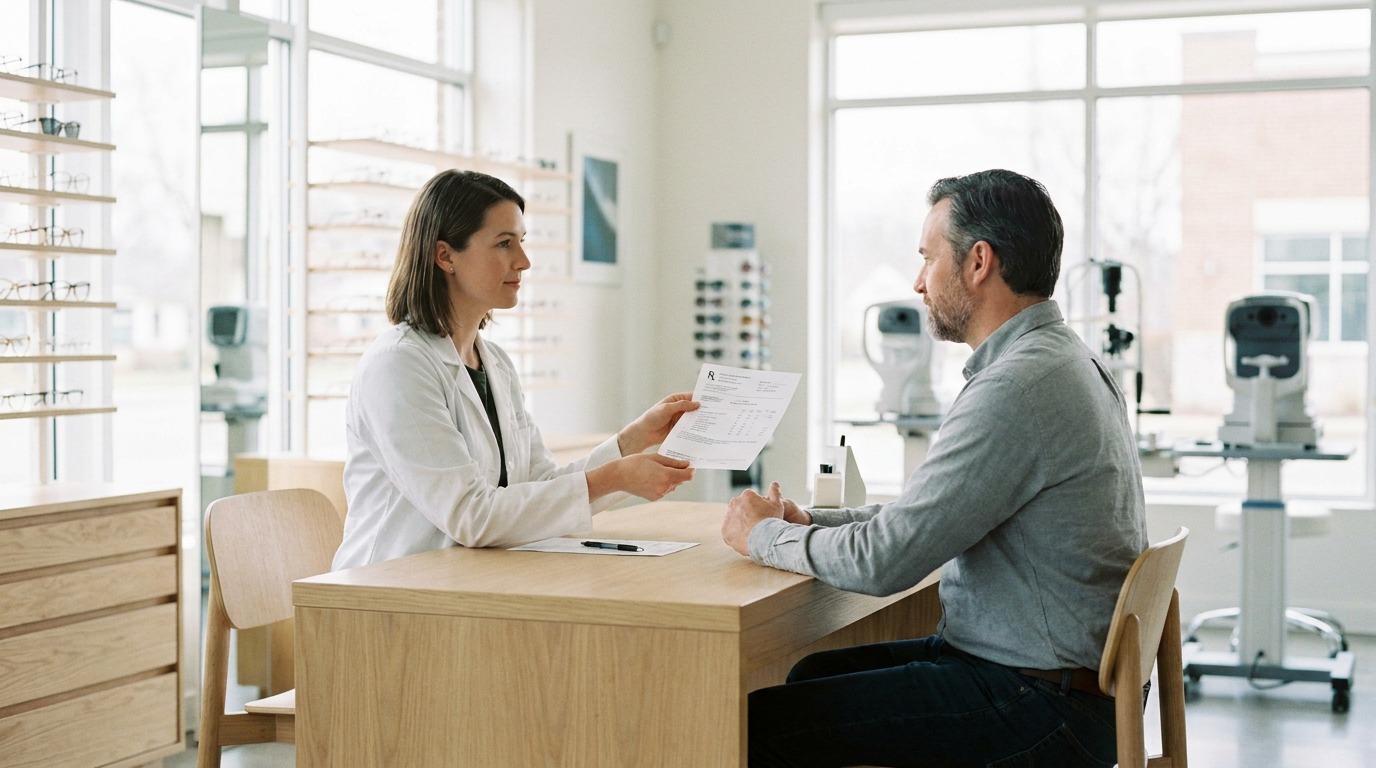
Need an Eye Exam to Update Your Prescription?
A comprehensive eye exam includes a number of procedures to examine and evaluate the health of your eyes and the quality of your vision. These tests range from simple ones, like having you read an eye chart, to complex tests, such as using a high-powered lens to examine the health of the tissues inside of your eyes.
Eye care experts recommend you have a routine eye exam every year to assess your risk for potentially damaging eye conditions, as well as to keep on top of any changes in vision you may be experiencing.
Eye Care for Everyone
The American Optometric Association (AOA) recommends an annual eye exam for any patient who wears eyeglasses or contacts. If you don't normally need vision correction, you still need an eye exam every year. Eye doctors often recommend more frequent eye examinations or dilated eye exams for people with diabetes, high blood pressure and other disorders, because many diseases can have an impact on vision and eye health. Having regular diabetic eye exams is crucial for any patient who's been diagnosed with or is at risk of developing Type 1 or Type 2 diabetes.
Since the risk of eye disease continues to increase with advancing age, everyone over the age of 60 should be examined annually.
If you are over 40, it's a good idea to have your eyes examined every one to two years to check for common age-related eye problems such as presbyopia, cataracts and macular degeneration. We use cutting-edge technology for the most accurate and efficient diagnosis possible.

Eye Exams for Children
Some experts estimate that approximately 5% to 10% of pre-schoolers and 25% of school-aged children have vision problems. According to the American Optometric Association (AOA), all children should have their eyes examined at 6 months of age, at age 3 and again at the start of school. Children without vision problems or risk factors for eye or vision problems should then continue to have their eyes examined every year throughout school.
Children with existing vision problems or risk factors should have their eyes examined more frequently. Common risk factors for vision problems include:
- premature birth
- developmental delays
- turned or crossed eyes
- family history of eye disease
- history of eye injury
- other physical illness or disease
The AOA recommends that children who wear eyeglasses or contact lenses should have their eyes examined at least every 12 months or according to their optometrist's instructions.

Contact Lens Eye Exam
If you wear contact lenses or are interested in wearing them, visit us for a contact lens exam. During a contact lens exam, your optometrist will determine your exact lens prescription and take certain measurements of the surface of your eye. With the results of these tests, we'll be able to provide you with the best-fitting contact lenses for your eyes and lifestyle. During your contact lens exam, your eye doctor will instruct you on proper wear and care instructions and show you how to insert and remove your lenses comfortably.
Contact our eye care clinic to schedule an eye exam near you, today.
Already a contact lens wearer? You can order your contact lenses online and have them ready when you need them.
Advanced Technology for Clearer Answers
Our comprehensive eye exams are designed to assess your visual health thoroughly, using advanced diagnostic technology to detect even the smallest changes in your vision and eye health.
To build a complete picture of your eyesight, we examine several aspects of your ocular health, including visual acuity, eye pressure and retinal health. Your eye doctor will also take the time to discuss your visual habits and health history, so the care and recommendations you receive fit your daily life.
Careful testing matters most when it is paired with a clear explanation. We walk you through what each test looks for, what the results mean and what to watch for before your next visit.
If the exam turns up something that needs a closer look or care beyond a routine visit, we talk through the options with you and help arrange the next step.
Schedule Your Comprehensive Eye Exam
Whether it has been a year or a few, an exam gives you a current prescription and a clear look at your eye health. We are glad to help patients across Fremont and the surrounding area.
