
Dry Eye Treatment with TearCare
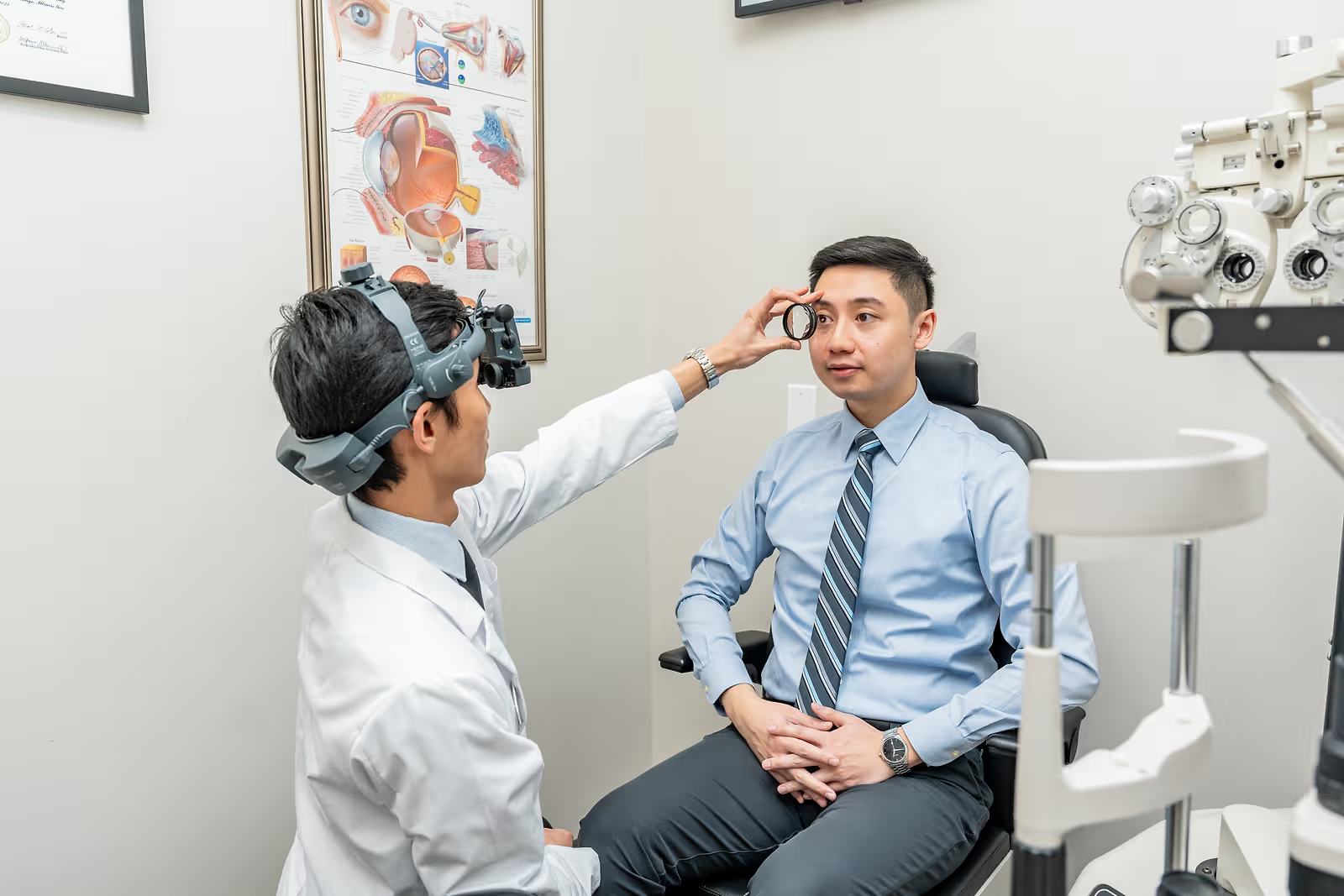
Dry Eye and Meibomian Gland Dysfunction
Your eyes water at your desk, sting in the car, or feel gritty by mid-afternoon. You reach for drops, they help for a while, and the irritation comes back. That pattern is worth a closer look.
Dry eye disease happens when tears do not stay on the eye surface long enough to keep it comfortable. Many cases trace back to meibomian gland dysfunction (MGD). The meibomian glands sit along the edges of your eyelids and release oils that slow tear evaporation. When those glands become blocked or stop working well, tears break up quickly and your eyes can burn, water, or blur. MGD is common and tends to develop slowly, which is why care aimed only at adding moisture may leave the underlying problem in place.
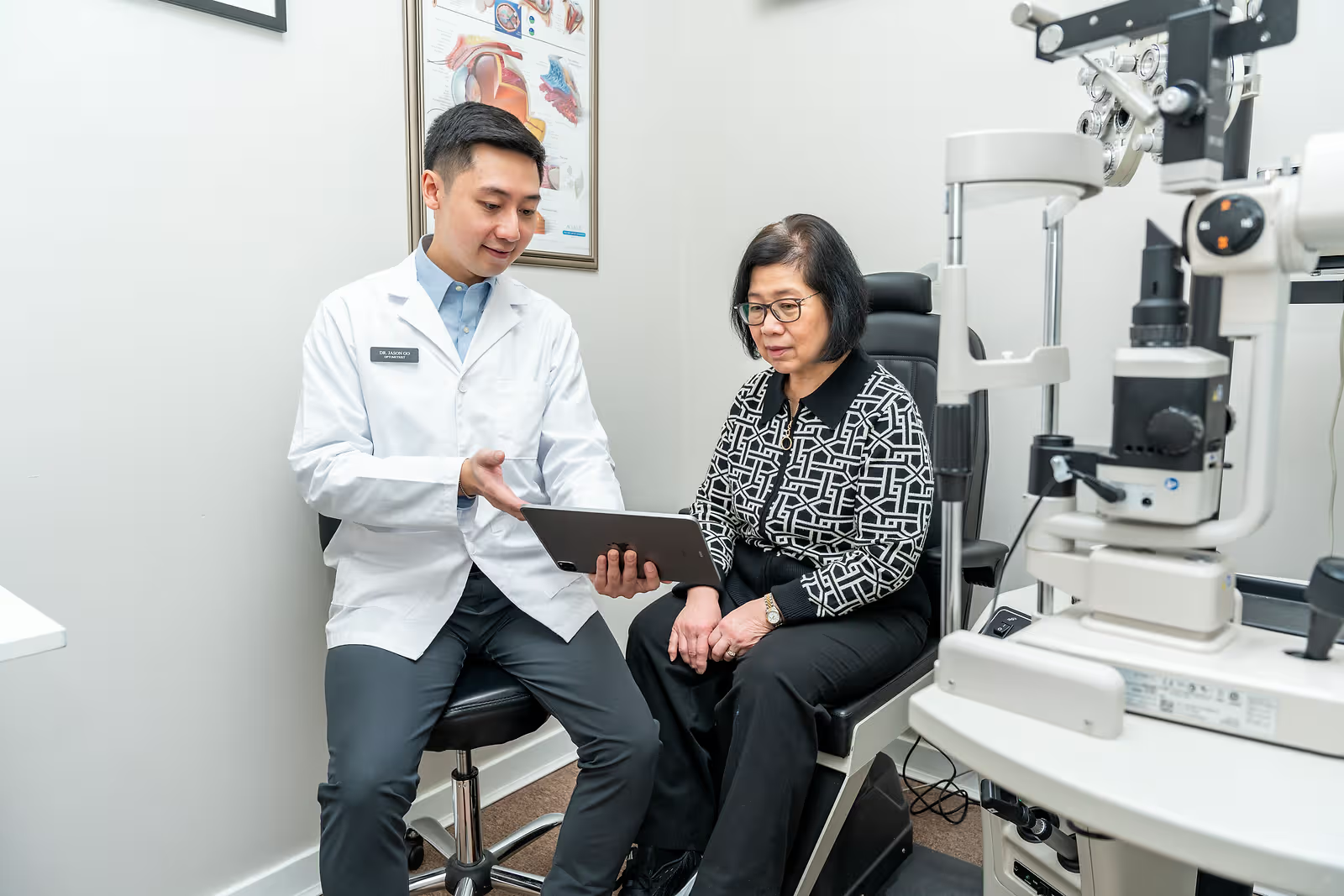
Signs That Point to Evaporative Dry Eye
Symptoms differ from person to person and can overlap with allergies or screen-related strain. Tell us if you notice:
- Burning, stinging, or a gritty feeling
- Eyes that water more when you read or drive
- Vision that blurs and clears when you blink
- Redness, tired eyes, or heavy-feeling lids
- Irritation that builds through the day or in dry, heated air
An eye exam lets your eye doctor look at your tear film, lids, and glands instead of guessing from symptoms alone.
What Happens During a TearCare Treatment
TearCare is an in-office treatment for adults with evaporative dry eye caused by MGD. During the visit, the device applies controlled heat to your eyelids while you stay comfortable and can blink naturally. The warmth softens thickened oils inside the glands.
Once the glands are warmed, your eye doctor manually expresses them to help clear blockages. Because the treatment happens in our office, your doctor can check the glands and adjust your care as needed.
You can watch a short video about how TearCare works on our Innovations page.
Who May Be a Good Candidate
TearCare may be an option when dry eye symptoms continue despite artificial tears or warm compresses at home. Your eye doctor reviews your symptoms, your history, and how your glands respond before recommending anything. Not everyone is a candidate, and TearCare is not the right choice for every type of dry eye.
Results vary. Some patients notice more comfortable eyes after treatment, while others need ongoing care that may include more visits, prescription drops, or at-home routines. Your eye doctor will talk with you about what to expect in your case.
Dry Eye Care Between Visits
Treatment does not end when you leave the office. Your plan may include warm compresses, lid hygiene, artificial tears, and steps to limit dry environments or long stretches of screen time. We are glad to answer your questions and help you build routines that fit your day.
Talk With Us About Dry Eye
If drops and compresses are not keeping your eyes comfortable, an evaluation can help your eye doctor find the cause. We are glad to help patients across Fremont and the surrounding area.
