
Cataract and Glaucoma Screening
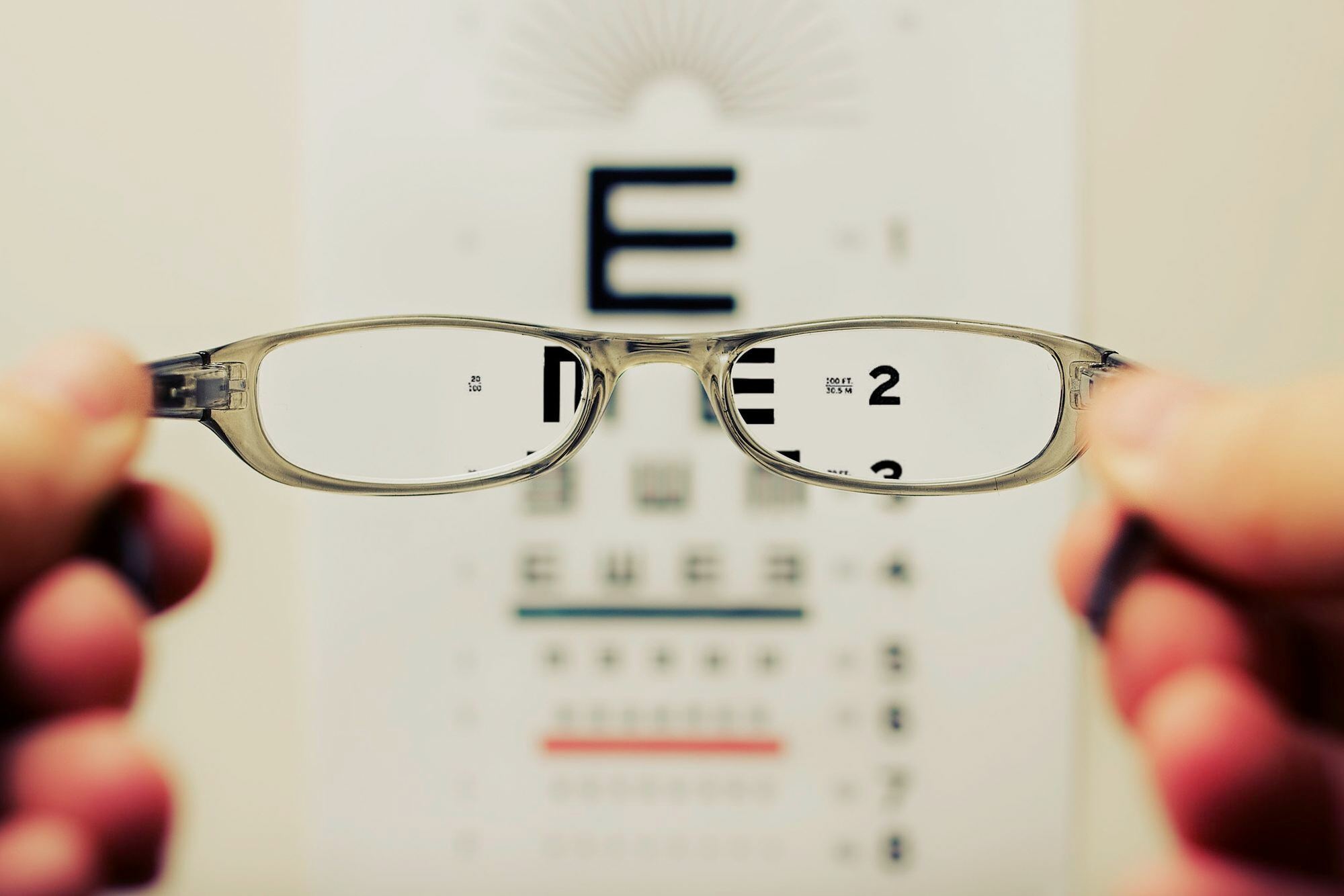
Two Common Conditions, One Careful Look
Cataracts and glaucoma tend to develop slowly. You might notice glare at night, colors that look a little dull, or nothing at all before an eye doctor finds a change. A screening visit gives your eye doctor a clear view of the lens and the optic nerve, so any change is caught while there is still time to talk through your options.
At CORVISION OPTOMETRY, cataract and glaucoma screening happens as part of a comprehensive eye exam. We check your vision, your eye pressure and the health of the structures inside your eyes, then explain what we see and what comes next.
Cataracts: When the Lens Clouds
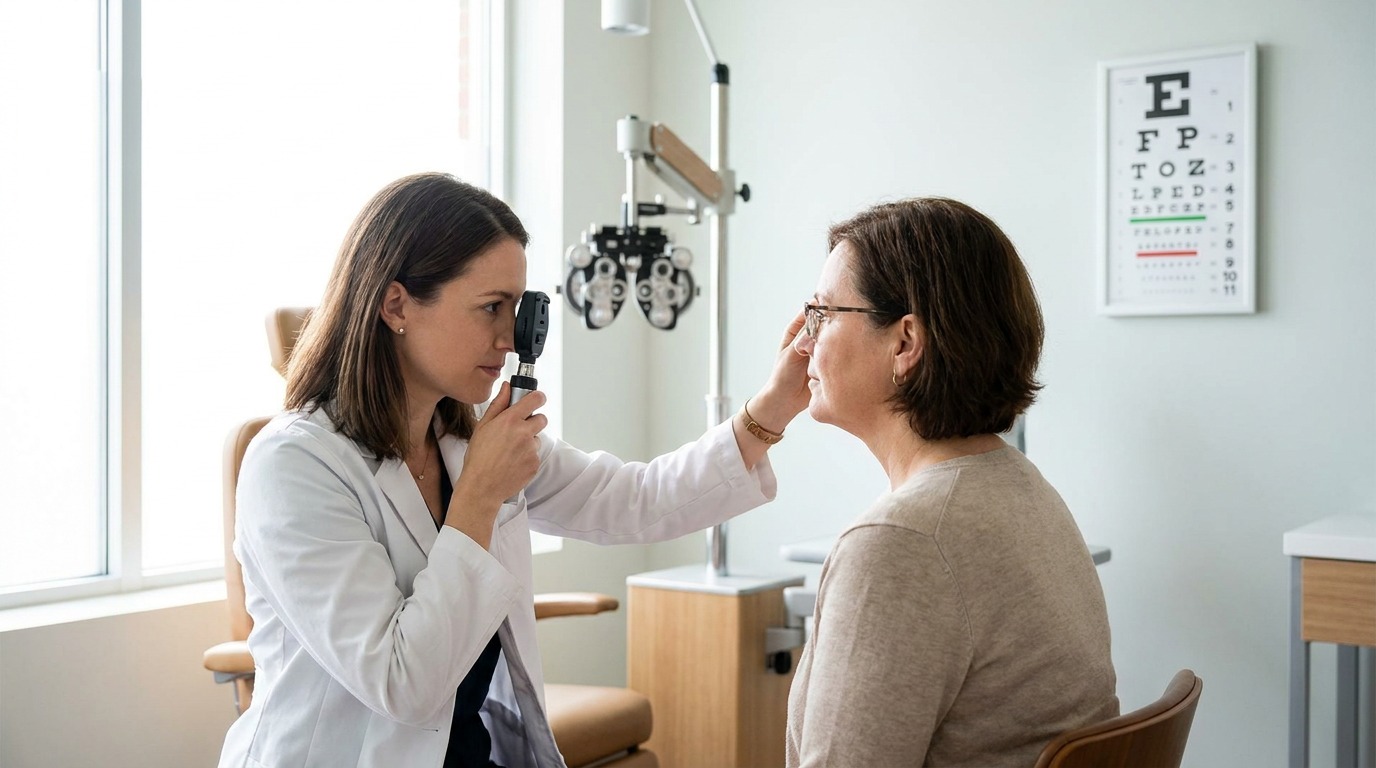
The lens inside your eye sits behind the pupil and focuses light. Over the years it can become cloudy, and that clouding is called a cataract. Signs often build slowly: glare or halos around headlights, colors that look faded, and vision that seems less sharp even after your glasses are updated.
If we find a cataract, we watch how it changes over time and talk with you about how it affects your daily life. When the time is right, we can co-manage cataract surgery with a surgeon, handling the referral and the follow-up care around it.
Glaucoma Often Has No Early Warning
Glaucoma is a group of conditions that damage the optic nerve, and it usually causes no symptoms until vision has already changed. That quiet start is why regular screening matters. We measure your eye pressure, examine the optic nerve, and recommend extra testing when something deserves a closer look.
Glaucoma care is about monitoring and management rather than a one-time fix. If we find signs of it, we explain what we see, how often you should return, and what a longer-term plan may look like.
Who Should Be Screened More Often
Some patients benefit from screening more frequently than a routine yearly exam. That group includes adults over 40, anyone with a family history of glaucoma, people living with diabetes or high blood pressure, and anyone who has been told they have high eye pressure. Bring your family eye history to your visit so we can factor it in.
What Happens at a Screening Visit
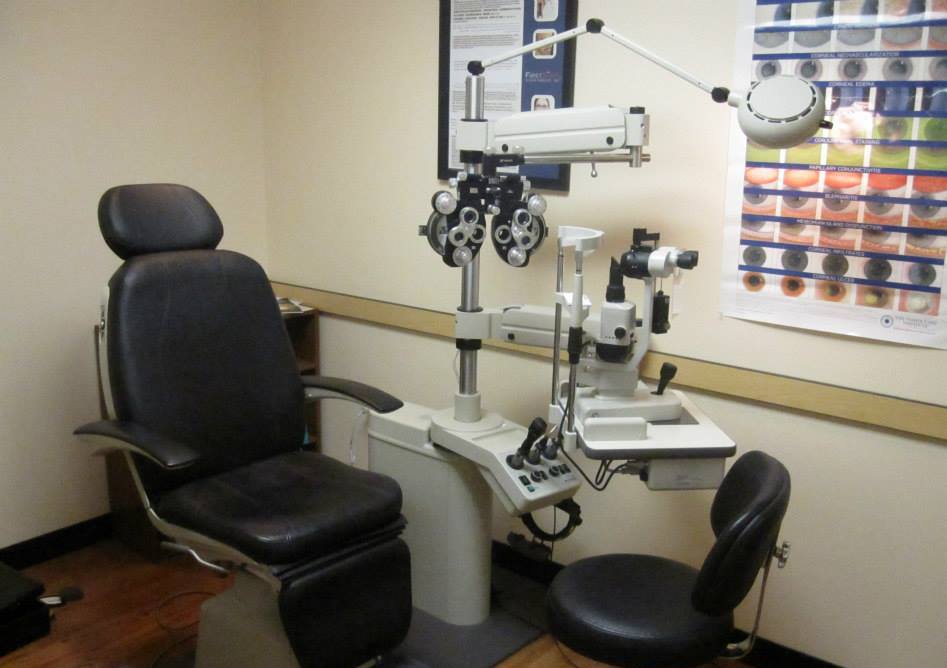
Your screening fits inside a normal eye exam, so there is nothing separate to book. A typical visit follows the same simple path:
- We review your symptoms, health history and family eye history.
- We measure your vision and update your prescription.
- We check your eye pressure and look at the optic nerve.
- We examine the lens and the health of the eye with a dilated view.
- We explain the results and agree on when to return.
Where to Go Next
Schedule Your Cataract and Glaucoma Screening
Screening is quick to add to your next exam and gives you a clear picture of your eye health. We are glad to help patients across Fremont and the surrounding area.
