
Contact Lens Exams vs. Routine Eye Exams: What to Expect at Each
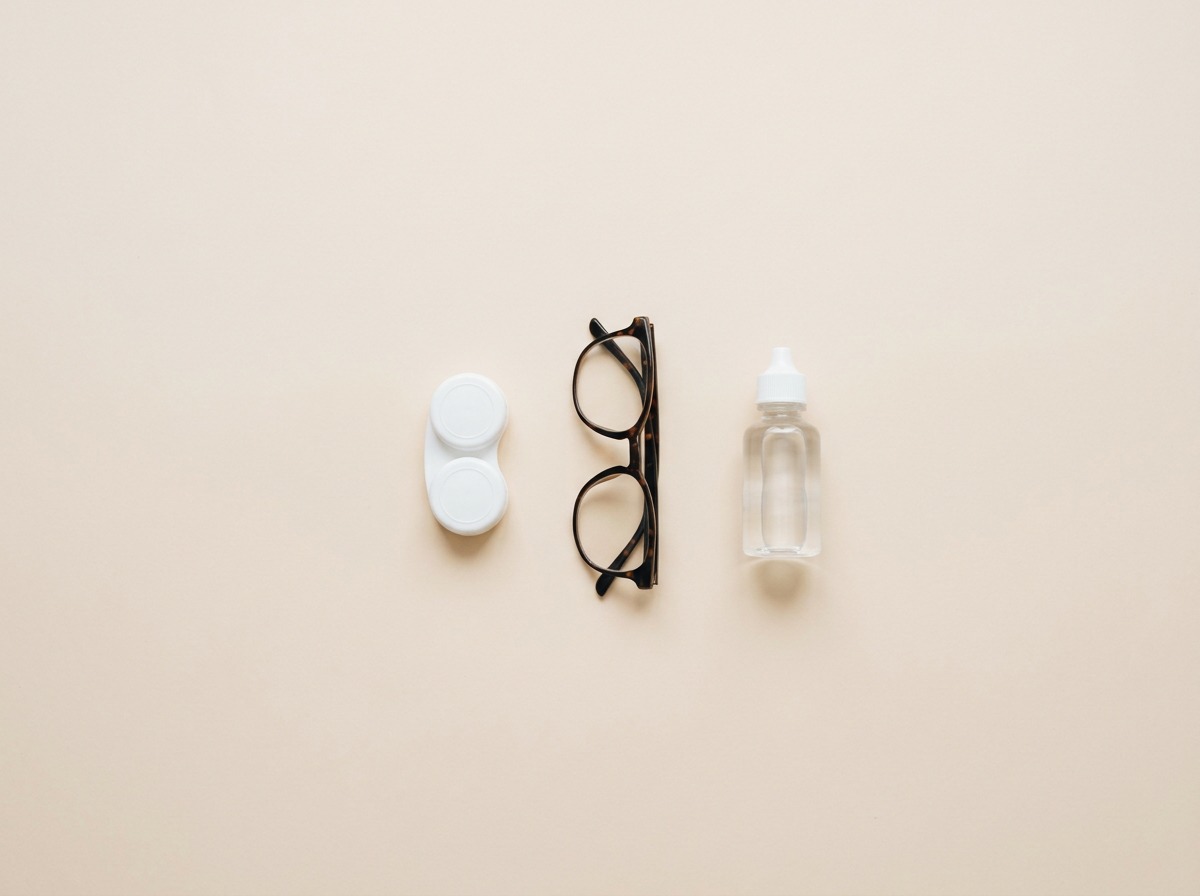
A comprehensive eye exam and a contact lens exam serve different purposes, but both play an important role in protecting your vision and eye health. A comprehensive exam checks how well you see and assesses your eye health, while a contact lens exam focuses on finding lenses that fit comfortably and provide clear vision.
If you are interested in trying contact lenses or already wear them, knowing the difference can help you prepare for your next visit.
What a Comprehensive Eye Exam Checks For
A comprehensive eye exam in Fremont evaluates your vision and overall eye health, even if you do not need glasses or contact lenses. Your eye doctor checks for vision changes, examines your eye structures, and looks for signs of conditions that may develop without noticeable symptoms.
During your exam, your eye doctor may assess your visual acuity, determine your prescription, evaluate how your eyes work together, and measure your eye pressure. They may also dilate your pupils to get a clearer view of your retina and optic nerve.
These tests can help detect eye conditions such as glaucoma, cataracts, and diabetic retinopathy. An eye exam may also reveal changes associated with health conditions such as diabetes or high blood pressure, although additional medical testing may be needed for a diagnosis.
CORVISION OPTOMETRY also examines your retinal health as part of your comprehensive exam, using advanced diagnostic technology to help your eye doctor assess your eyes and monitor changes over time.
What to Expect During a Contact Lens Exam
A contact lens exam includes additional measurements and tests to determine which contact lenses suit your eyes. Because contacts rest directly on the eye's surface, their fit, material, and prescription all affect comfort and eye health.
How Your Eye Doctor Measures Your Eyes for Contact Lenses
Your eye doctor will measure the curvature of your cornea, the clear front surface of your eye, to help select an appropriate lens. They may also evaluate your tear film to check for dryness that could affect contact lens comfort.
The doctor will assess how the lenses sit and move on your eyes. A well-fitting lens should provide clear vision, allow appropriate movement, and support the health of your eye's surface.
Contact Lenses Require a Different Prescription Than Glasses
You cannot use your glasses prescription to order contact lenses because the two prescriptions contain different information.
Glasses sit a short distance in front of your eyes, while contact lenses rest directly on the tear film covering the cornea. This difference can affect the required prescription power, especially for stronger prescriptions.
A contact lens prescription also specifies details such as the lens brand or material, base curve, and diameter to help ensure the lenses fit properly.
What Happens During a Contact Lens Fitting and Trial
Once your eye doctor selects suitable lenses, you will typically try a trial pair to check fit, vision, and comfort.
First-time contact lens wearers will also receive instructions on how to insert, remove, and care for their lenses. Your eye doctor will explain the recommended wearing and replacement schedule, along with important hygiene practices.
A follow-up visit may be necessary to confirm that your lenses fit properly and your eyes are responding well. The timing depends on your lens type, eye health, and individual needs.
Different Types of Contact Lenses for Your Vision and Lifestyle
Contact lenses come in different materials, designs, and replacement schedules. Your eye doctor can recommend options based on your prescription, eye health, and daily activities.
Daily disposable lenses offer the convenience of a fresh pair each day, with no cleaning or overnight storage required. Reusable lenses require regular cleaning and disinfection, while specialty options may suit people with astigmatism, presbyopia, or certain corneal conditions.
Some contact lenses are approved for overnight wear. Use overnight lenses only when your eye doctor specifically prescribes them and monitors you.
When you are ready for a refill, you can order your contact lenses online and have them ready when you need them.
How Often Contact Lens Wearers Need an Eye Exam
Your eyes can change over time, even if your current contact lenses still feel comfortable. Regular exams allow your eye doctor to monitor your vision, check lens fit, and look for signs of dryness, irritation, or other complications.
Your eye doctor will recommend an exam schedule based on your eye health, prescription, and lens type. Many contact lens wearers need annual evaluations, although some may require more frequent visits.
If you experience persistent redness, eye pain, light sensitivity, or sudden blurry vision while wearing contacts, remove your lenses and seek prompt eye care. CORVISION OPTOMETRY offers emergency services for concerns like red eye and foreign bodies, so you can get professional attention when something needs a closer look.
Schedule Your Contact Lens Exam at CORVISION OPTOMETRY
A proper contact lens fitting helps you find lenses that suit your vision, eye health, and everyday needs. Regular eye exams also help ensure your prescription remains accurate and your eyes stay healthy.
Dr. Corwin Li provides contact lens fittings and helps patients explore vision correction options. You can also review the practice's insurance and payment information before your visit.
