
Contact Lenses for Kids: 4 Signs Your Child May Be Ready
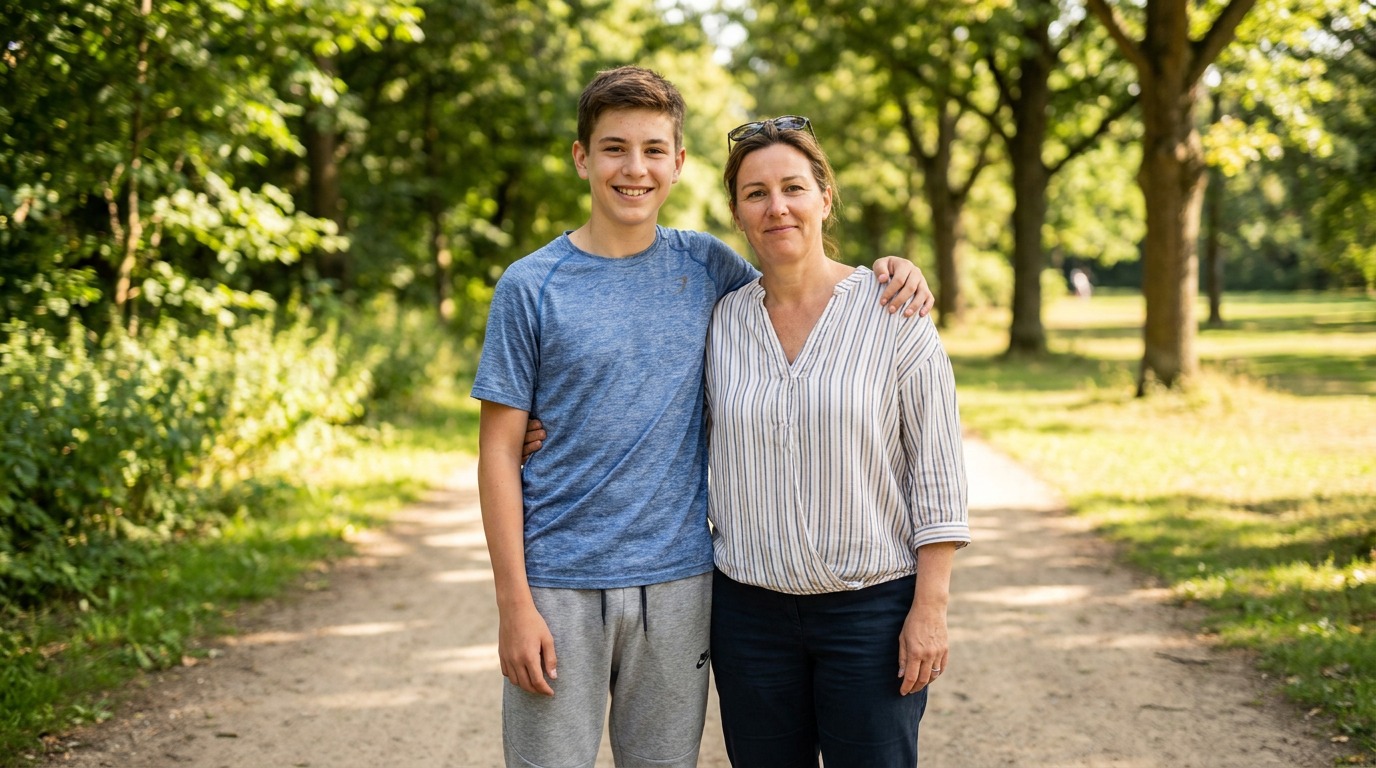
Contact lenses aren’t just for teenagers and adults. Some children can successfully wear contacts while they’re still in elementary school. But age alone doesn’t determine whether your child is ready to make the switch to contact lenses.
If your child has been asking about contact lenses, consider their maturity, hygiene habits, and daily activities. Knowing what to look for can help you decide whether it’s time to explore this option with their eye doctor.
How To Tell If Your Child Is Ready To Wear Contact Lenses
There’s no universal minimum age for wearing contact lenses. What matters most is whether your child can handle them safely and follow the care instructions.
1. Your Child Wants to Wear Contact Lenses
Your child’s interest in wearing contacts is an important starting point. Children who genuinely want contact lenses may be more motivated to learn how to use and care for them properly.
Some kids feel self-conscious about wearing glasses, while others simply want another option for correcting their vision. Letting your child take part in the decision can help them feel more confident about trying something new.
2. Your Child Shows Responsibility in Everyday Life
Wearing contact lenses requires consistency. Your child needs to follow a daily routine, handle their lenses carefully, and recognize when something doesn’t feel right.
Think about how they manage their belongings and personal responsibilities. Children who can follow instructions without constant reminders may be ready to take on contact lens care.
You can still help, especially at first. Younger children may need supervision as they learn to insert and remove their lenses, and parents should check that they follow the recommended wearing schedule.
3. Your Child Practices Good Hygiene Habits
Improper contact lens handling can increase the risk of eye infections, including infections that may damage vision.
Your child should be comfortable following these basic safety rules:
- Wash and thoroughly dry hands before touching contact lenses.
- Never share lenses with anyone.
- Follow the prescribed wearing and replacement schedule.
- Never sleep in contacts unless they’re specifically prescribed for overnight wear.
- Remove contacts before swimming or showering.
- Use only the recommended contact lens solution to clean and store reusable lenses.
Daily disposable lenses can make things easier for some families. Your child wears a fresh pair each day and throws them away before bed, eliminating the need for cleaning and storage.
If your child experiences eye pain, redness, light sensitivity, or blurry vision while wearing contacts, they should remove the lenses immediately and contact their eye doctor promptly. Significant pain or vision changes require urgent evaluation. CORVISION OPTOMETRY offers medical and emergency eye exams in Fremont for concerns that need professional attention.
4. Contact Lenses Give Your Child More Freedom for Sports and Play
For active children, contact lenses can make sports and outdoor activities more comfortable. They won’t slip down the nose or fog up, and they can make it easier to wear helmets and protective eyewear.
Contacts also provide clear peripheral vision without eyeglass frames getting in the way. However, they don’t protect against injuries, so appropriate sports goggles are still necessary for activities that pose an eye injury risk.
If your child enjoys swimming, prescription swim goggles are a safer alternative to wearing contacts in the water.
We Will Help You Choose the Best Contact Lenses for Your Child
Children’s contact lens fitting in Fremont involves more than checking your child’s prescription. Their eye doctor will evaluate their eye shape and health, select suitable lenses, and check how comfortably they fit.
Your child will also learn to insert and remove their contacts before going home. A follow-up appointment may be needed to check the fit and make sure their eyes are responding well. Dr. Corwin W. Li, O.D. provides contact lens fittings and helps patients find the right vision-correction options.
Daily disposable contact lenses are often a convenient starting point, but they’re not the only option. Children with myopia (nearsightedness) may qualify for specially designed contact lenses that help slow its progression — part of our Myopic Management Treatment Program. Your eye doctor can explain which options fit your child’s prescription and needs.
It’s also worth keeping a pair of up-to-date glasses on hand. Your child will need them when their eyes feel irritated, they’re sick, or they simply want a break from contacts.
Help Your Child Get Started with Contact Lenses at CORVISION OPTOMETRY
The right contact lenses can help your child see clearly and feel more comfortable during their favorite activities. Proper fitting and a manageable care routine can make the experience positive from the start.
If your child is interested in contact lenses, learn more about our contact lens exam, or call 510-270-8813 to schedule an exam at our office in Fremont, CA. Our team can assess their vision, explain the available options, and help you decide whether contacts are right for them.
